Geometric Abstraction Today
How hard-edge painting is finding new audiences in the digital age
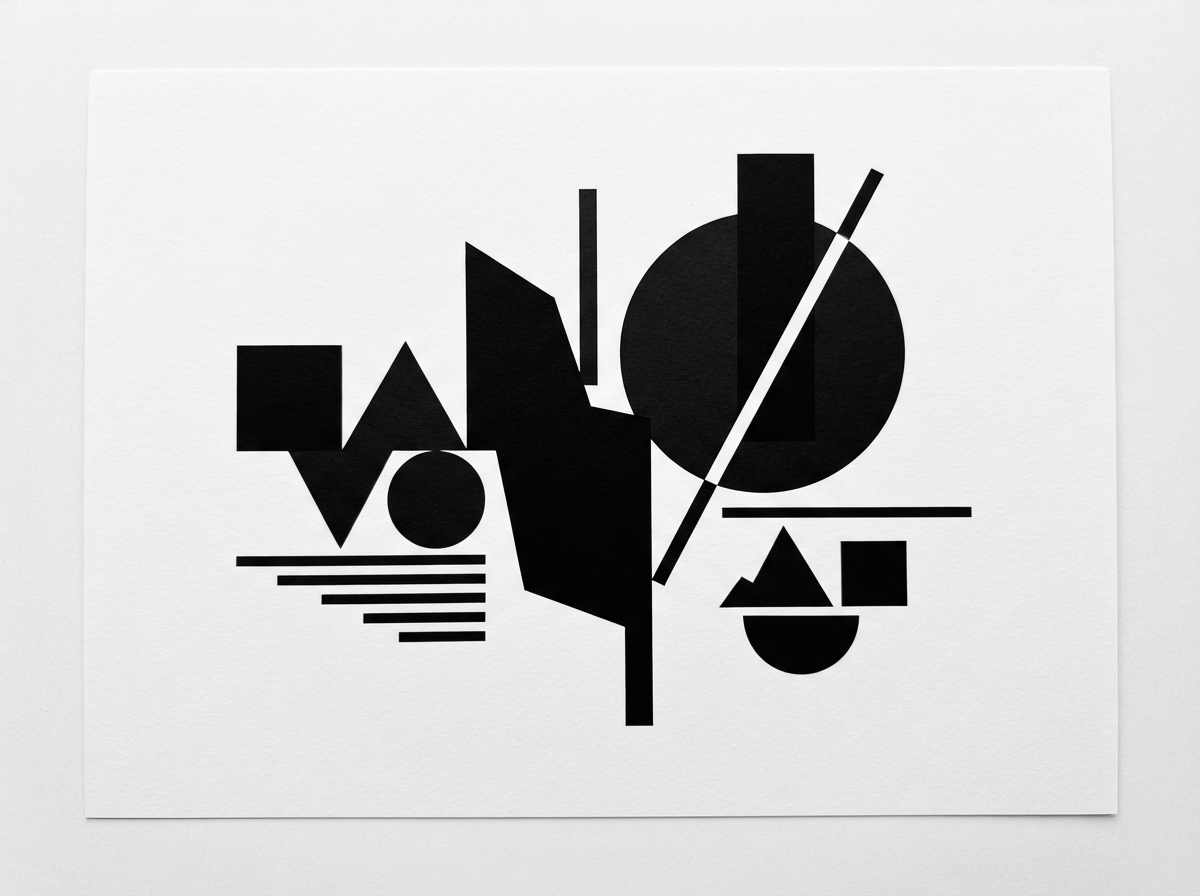
Geometric abstraction, with its roots in early 20th-century movements like Constructivism and De Stijl, has experienced a renaissance in contemporary visual culture. What once seemed austere or academic now feels refreshingly direct in an age of visual noise.
The appeal lies in its clarity. Hard-edge painting and geometric composition offer a visual language that communicates through pure form, color, and spatial relationship. There’s no narrative to decode, no symbolism to unpack—just the immediate impact of shape and hue.
Digital tools have democratized these techniques. Software that once required specialized training now puts precise geometric composition within reach of anyone with a laptop. This accessibility has sparked renewed interest, particularly among designers and artists working at the intersection of physical and digital media.
Social media platforms, with their emphasis on immediate visual impact, have proven particularly hospitable to geometric work. The bold forms and high contrast translate perfectly to small screens and quick scrolling.
But the revival isn’t purely digital. Galleries and museums are showing increased interest in geometric abstraction, recognizing its historical significance while appreciating its contemporary relevance. Young artists are reinterpreting classic forms through new materials and processes.
The movement’s emphasis on system and process resonates with contemporary concerns about algorithmic culture. Just as code generates complex outputs from simple rules, geometric abstraction demonstrates how basic elements can create sophisticated visual experiences.
Color theory has evolved alongside the form. While early geometric artists often worked with primary colors, contemporary practitioners explore the full spectrum, including nuanced tones and unexpected combinations that challenge traditional associations.
What remains constant is the belief that visual art can communicate directly, bypassing language and narrative to engage our fundamental perceptual capacities. In this, geometric abstraction offers not escape from complexity, but a different way of understanding it.
Related Reading
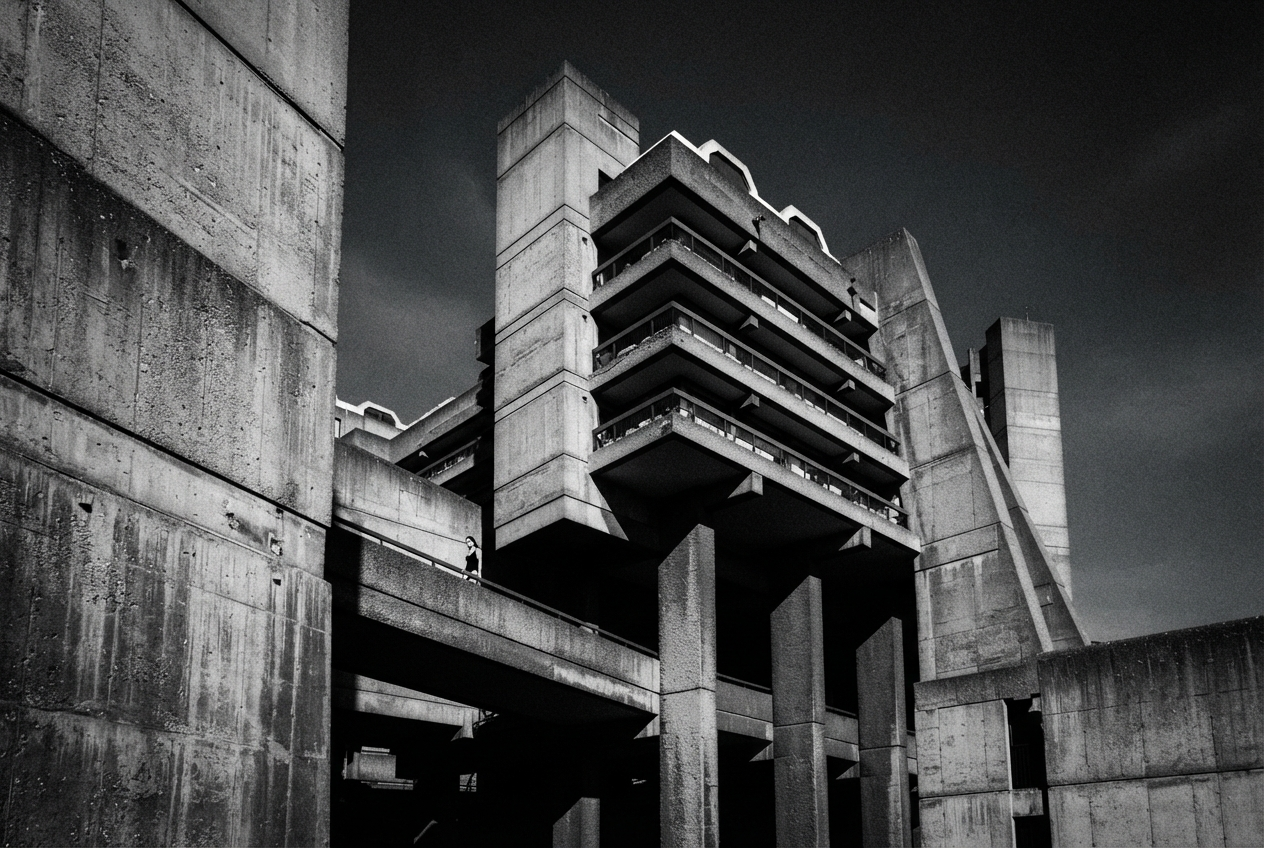
The Brutalist Architecture Revival
How concrete giants are finding new life in contemporary design discourse
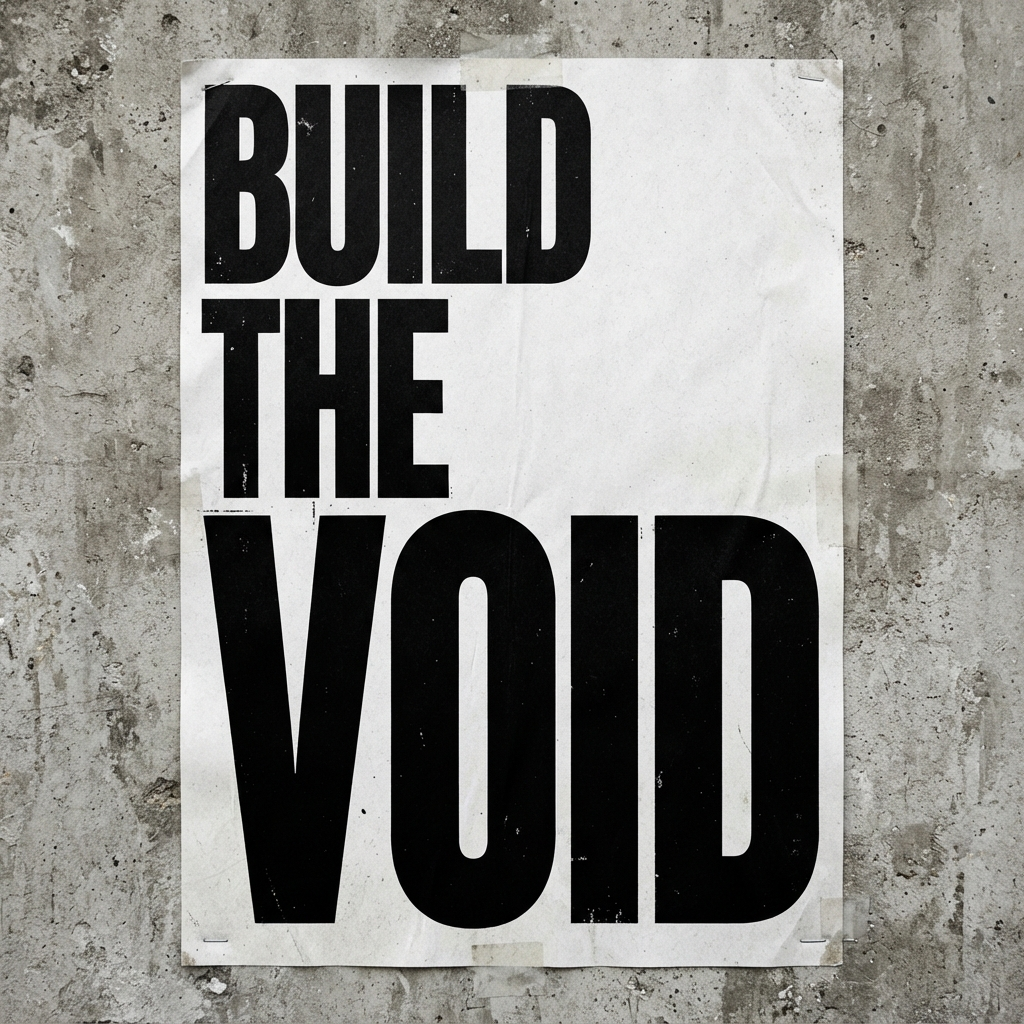
Typography as Resistance
How letterforms become political statements
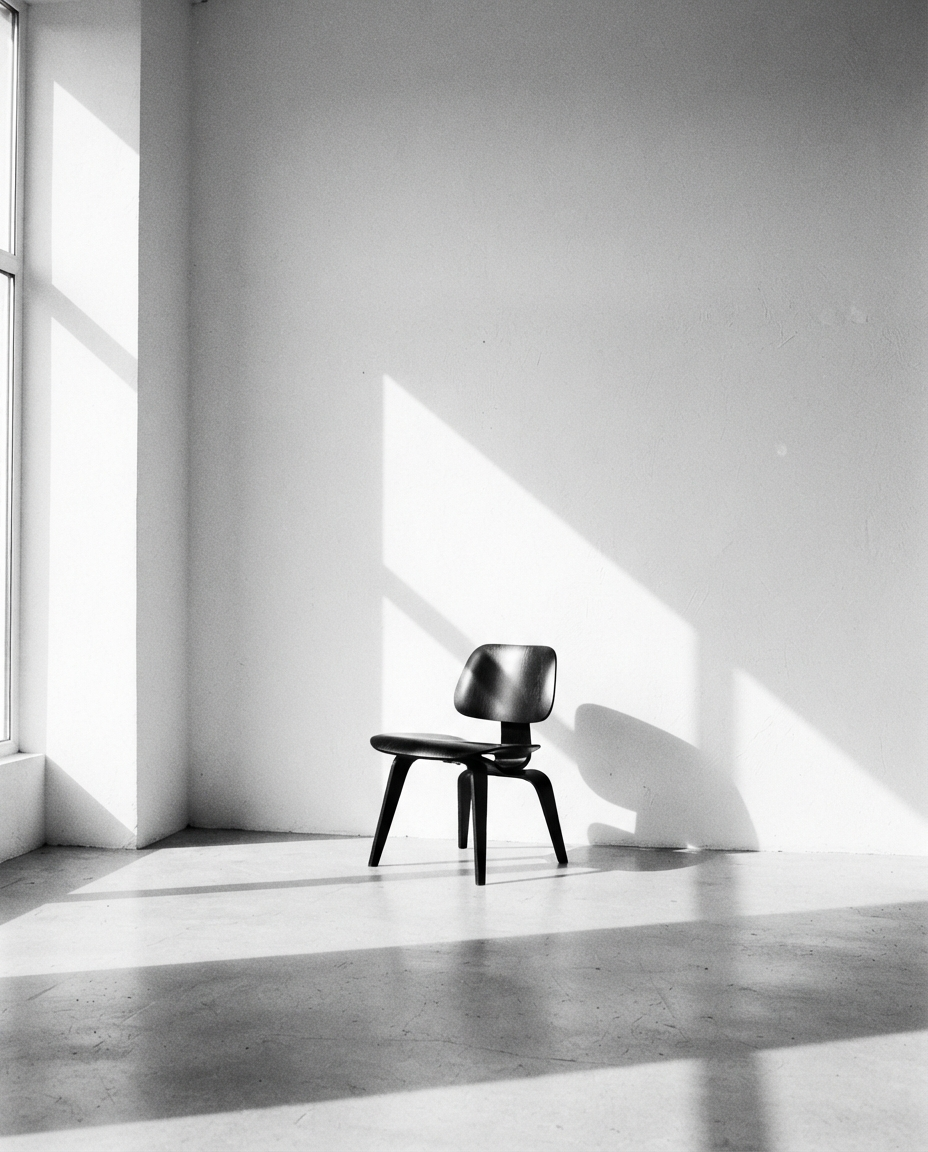
The Empty Room
Minimalism in interior design beyond aesthetics