The Empty Room
Minimalism in interior design beyond aesthetics
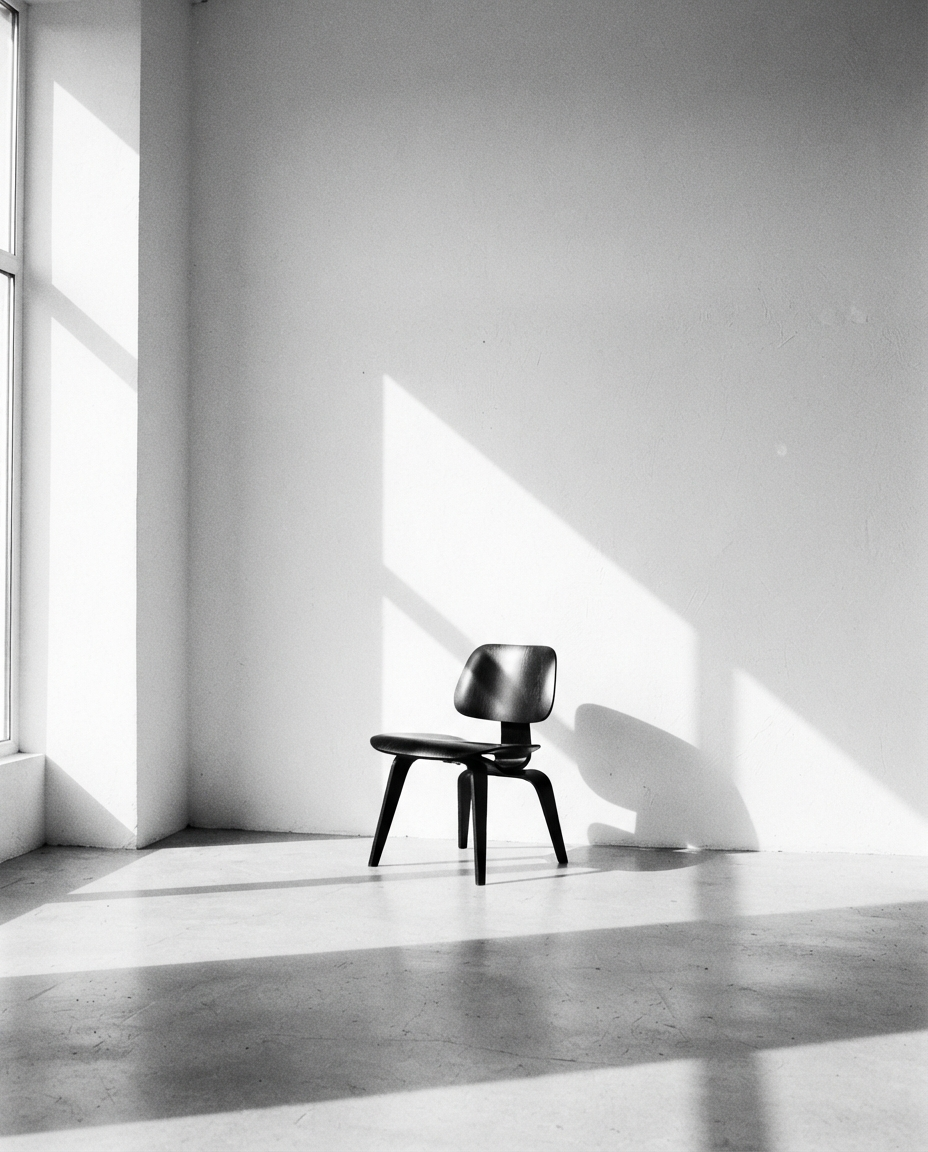
An empty room is never truly empty. It contains light, air, potential, and the psychological weight of possibility. Minimalist interior design understands this, working with absence as deliberately as with presence.
The minimalist room challenges our accumulation instincts. In a culture that equates possession with success, choosing to live with less requires conviction. Each empty surface becomes a statement about what matters and what can be released.
This isn’t asceticism for its own sake. The goal isn’t deprivation but clarity. When visual noise decreases, other experiences amplify. Sound becomes more audible. Light becomes more noticeable. The body’s relationship to space becomes more conscious.
Japanese aesthetics offer a rich framework. The concept of ma (間)—meaningful space or pause—applies to interiors as well as music and conversation. Empty space isn’t wasted; it’s what allows other elements to breathe and function.
Material choices become critical in minimal interiors. With fewer objects competing for attention, each material must be carefully considered. The warmth of wood, the coolness of stone, the texture of fabric—these qualities become the room’s primary vocabulary.
Light design takes on heightened importance. Natural light becomes the main illumination source, with artificial light used sparingly and intentionally. Shadow becomes as important as illumination, creating depth and rhythm.
The psychological effects are well-documented. Cluttered spaces correlate with elevated cortisol levels. Minimal environments can reduce stress, improve focus, and support mental clarity. But the relationship isn’t automatic—forced minimalism can create its own anxieties.
Cultural context shapes what minimalism means. Western minimalism often emphasizes clean lines and neutral palettes. Other traditions find minimalism in different forms—in the patina of aged materials, in the arrangement of natural elements, in the acceptance of imperfection.
Functionality remains essential. A minimalist room must still support living. Storage solutions, while hidden, must be adequate. Comfort cannot be sacrificed for appearance. The challenge is achieving both simplicity and livability.
The empty room ultimately asks what we need to live well. It’s a question that extends beyond interior design into philosophy, ecology, and the good life. In choosing less, we might discover more.
Related Reading
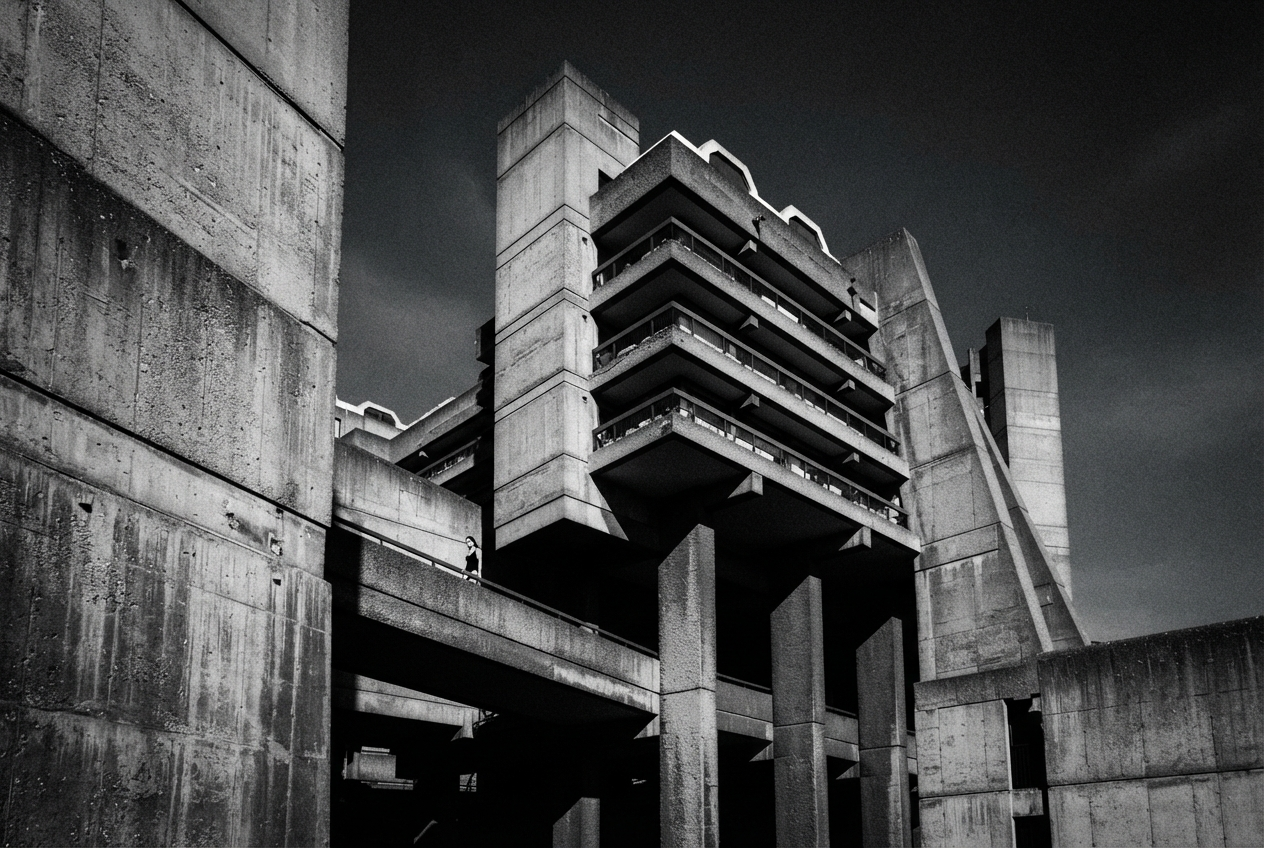
The Brutalist Architecture Revival
How concrete giants are finding new life in contemporary design discourse
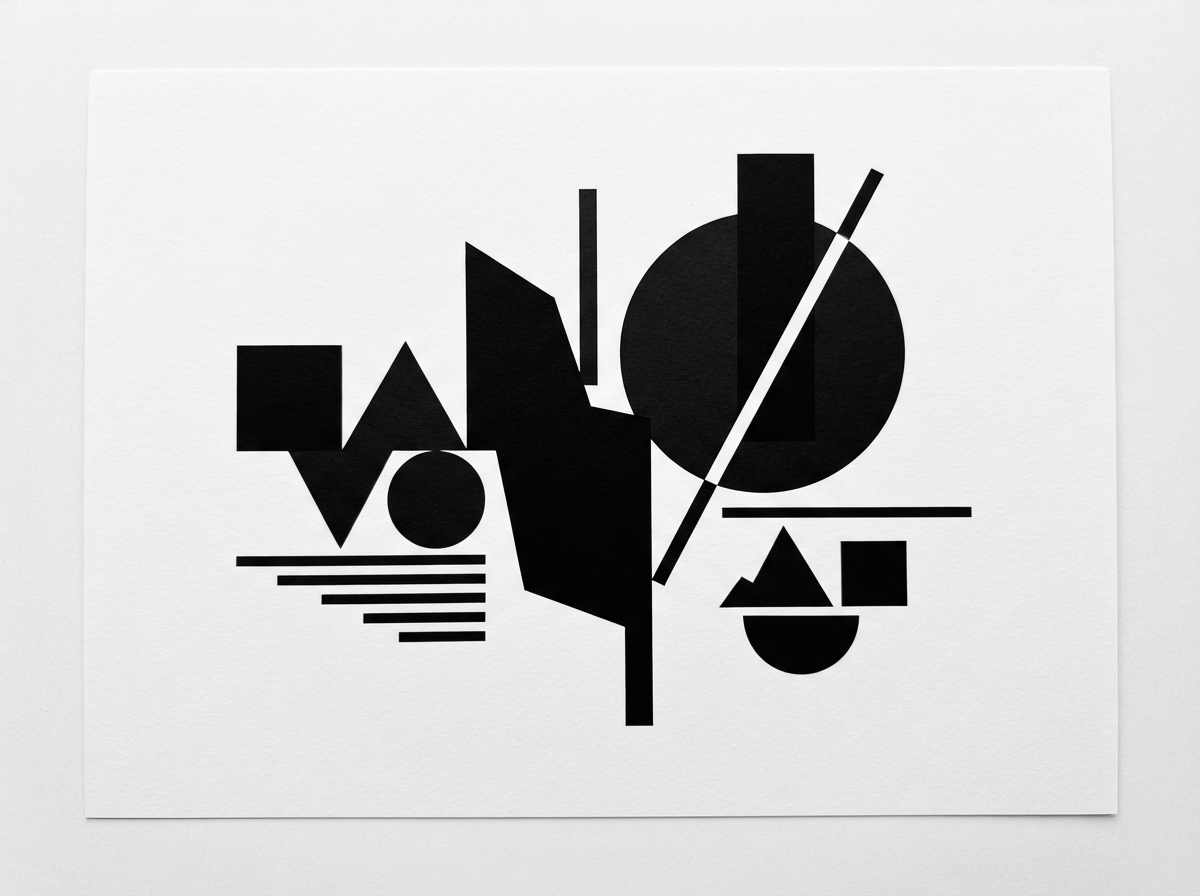
Geometric Abstraction Today
How hard-edge painting is finding new audiences in the digital age
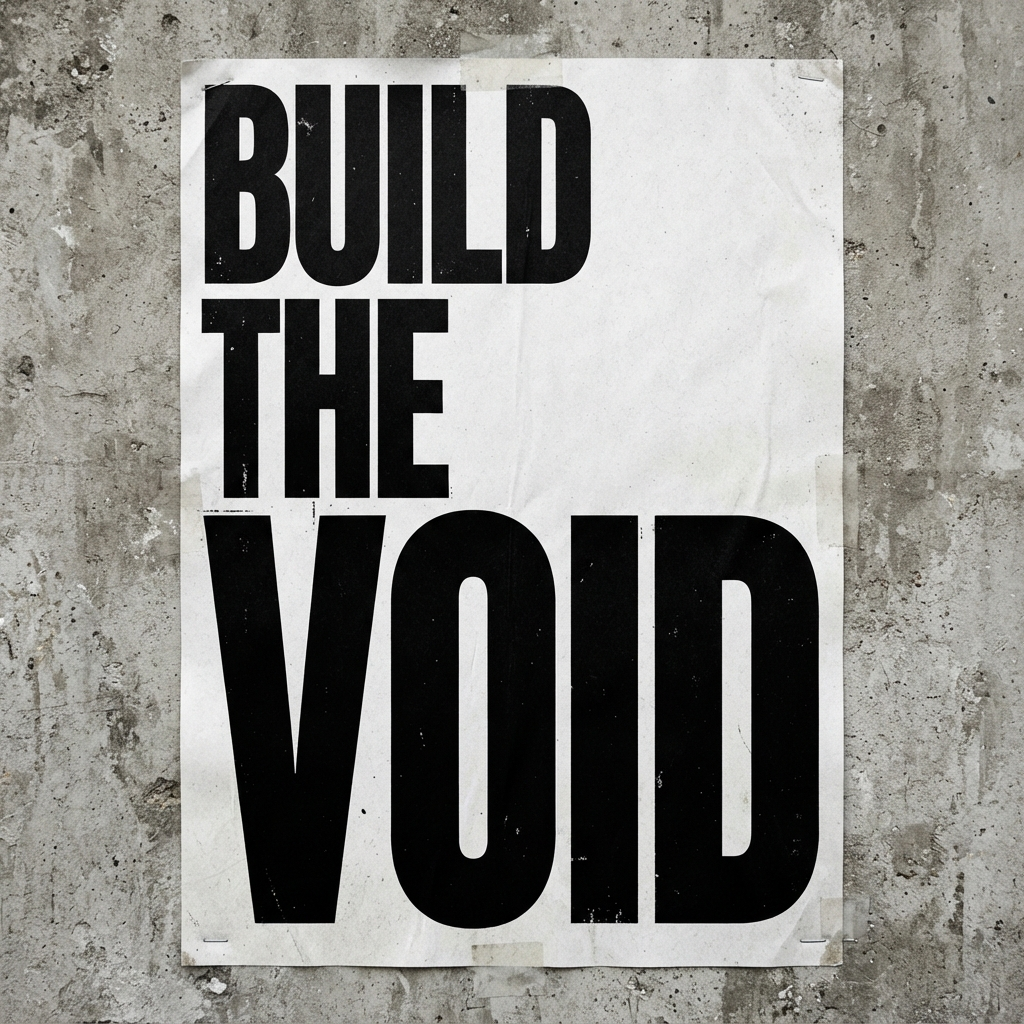
Typography as Resistance
How letterforms become political statements