Street Photography Ethics
Navigating consent and creativity in public spaces
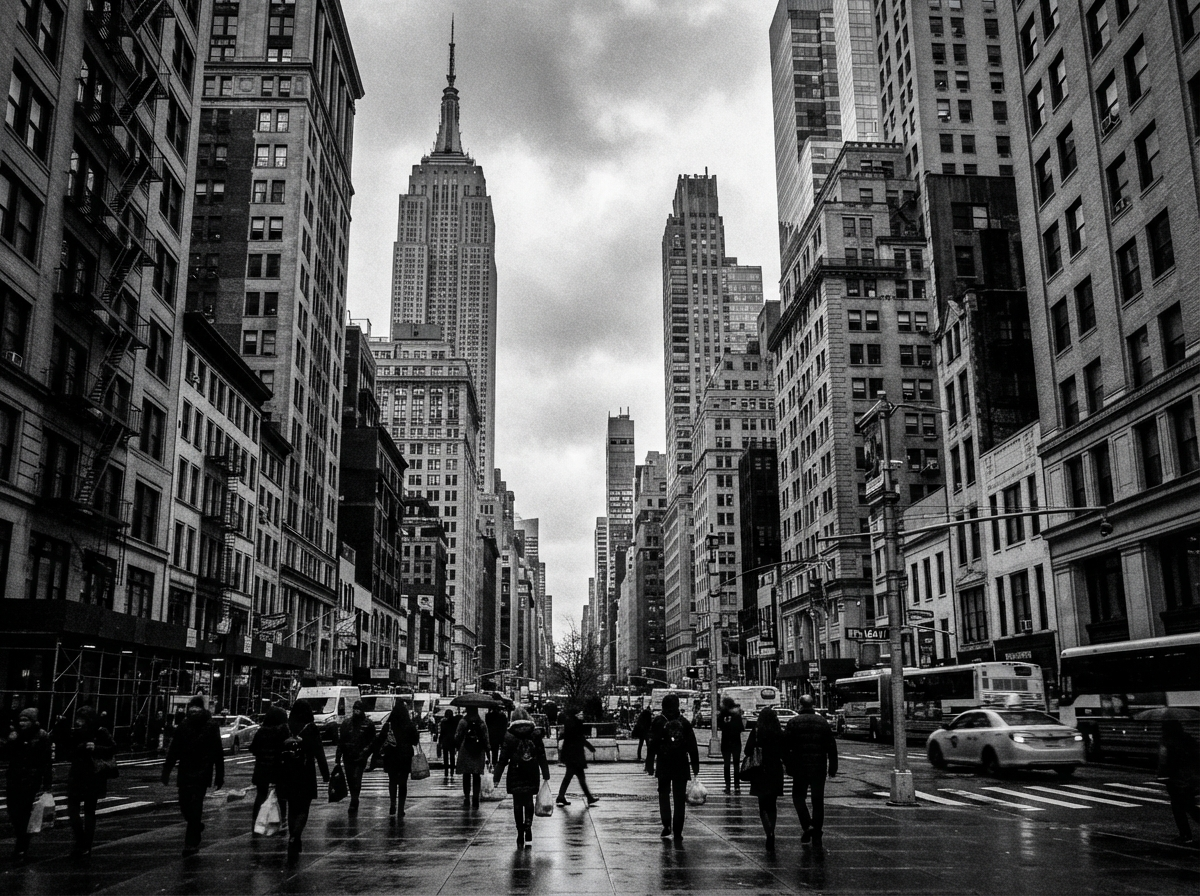
Street photography occupies a fraught space between artistic expression and personal privacy. The camera’s ability to freeze moments and transform strangers into subjects raises questions that have intensified with digital technology and social media.
Legal frameworks vary widely by country, but most permit photography in public spaces without consent. This legal permission, however, doesn’t resolve ethical questions. Just because you can photograph someone doesn’t mean you should.
The tradition of street photography—from Cartier-Bresson to Winogrand to contemporary practitioners—rests on the belief that public life deserves documentation. These images capture culture, fashion, architecture, and the texture of everyday existence. They create historical records that future generations will value.
But the subjects of these photographs rarely benefit from their creation. They don’t consent to becoming part of someone’s artistic portfolio or social media feed. This asymmetry of power deserves consideration.
Contemporary photographers are developing new approaches. Some seek explicit consent, transforming the interaction into collaboration. Others focus on crowds and contexts where individuals aren’t identifiable. Some share their work with subjects, creating dialogue rather than extraction.
The rise of facial recognition technology has heightened concerns. Images once destined for obscure galleries now feed databases that could enable surveillance. Photographers must consider not just their intentions but how their work might be used by others.
Cultural context matters enormously. Norms about photography vary by community, generation, and situation. What feels natural in one context may feel invasive in another. Sensitivity to these differences separates thoughtful practitioners from careless ones.
The question isn’t whether street photography should exist, but how it should be practiced. The best practitioners balance artistic vision with human consideration, recognizing that their subjects are not merely material but participants in shared public space.
Transparency helps. Photographers who can explain their work, who carry business cards, who engage with communities they photograph, build trust that benefits everyone. The camera becomes a tool for connection rather than extraction.
Ultimately, street photography ethics require ongoing negotiation rather than fixed rules. Each situation demands judgment, empathy, and willingness to prioritize human dignity over the perfect shot.