The Art of Minimalist Plating
Why less is more on the modern plate
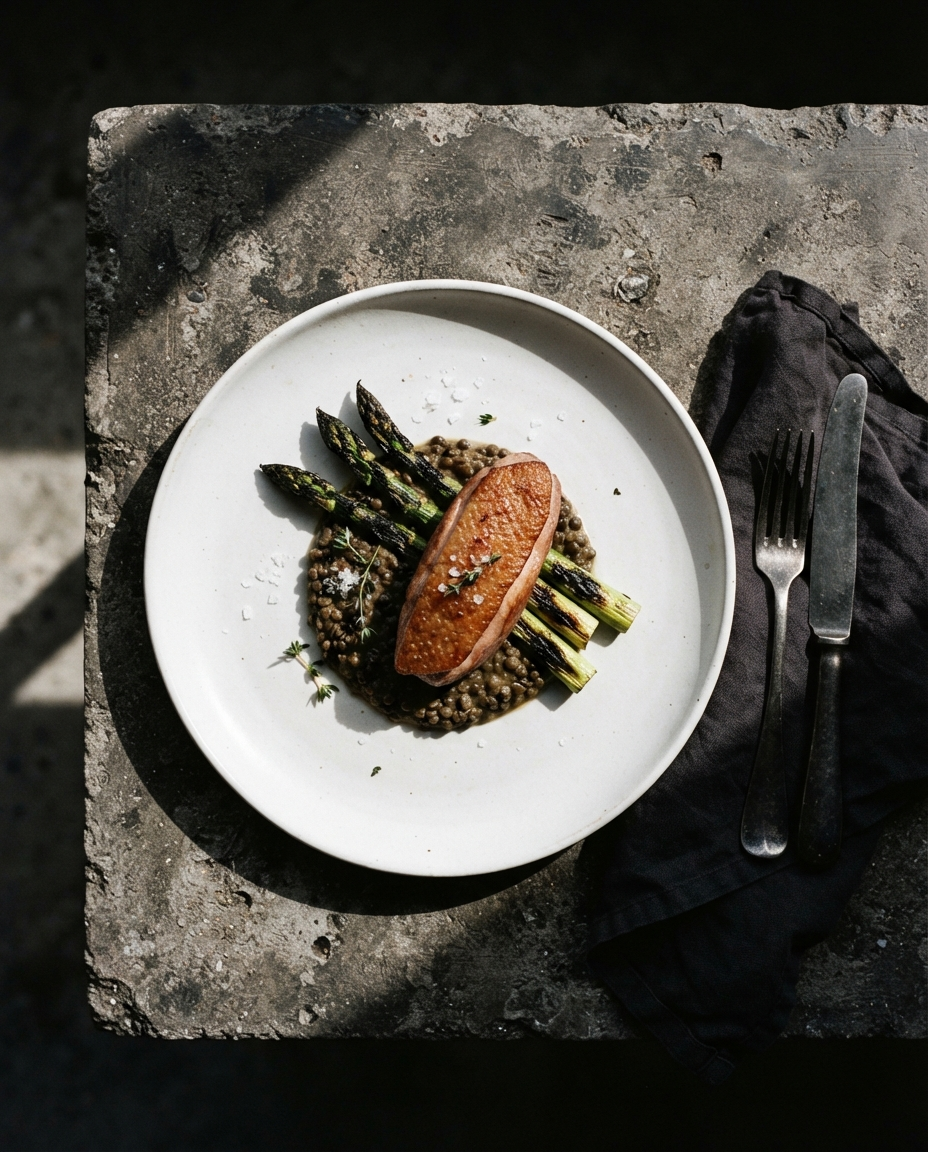
The evolution of plating in contemporary cuisine reflects a broader cultural shift toward intentionality and restraint. Where once abundance signaled quality, today’s most celebrated chefs understand that negative space is as crucial as the food itself.
Minimalist plating isn’t about serving less—it’s about making every element count. Each component must earn its place through flavor, texture, and visual contribution. The result is dining that engages multiple senses while respecting the diner’s attention.
This approach draws from Japanese aesthetic principles, particularly the concept of ma (間)—the meaningful pause or space between elements. Just as silence gives music its rhythm, empty space on a plate allows flavors to breathe and ingredients to speak.
The technical demands are considerable. With fewer elements to hide behind, execution must be flawless. A single misplaced herb or uneven sauce becomes immediately apparent. This precision requires not just skill, but confidence—the willingness to let quality stand alone.
Color theory plays a vital role. A monochromatic palette can be striking, while strategic pops of color create focal points. The plate itself becomes a canvas, its shape and color integral to the composition.
Temperature contrast adds another dimension. A warm element against a cool surface, or vice versa, creates dynamic tension that engages the diner before the first bite.
The minimalist approach extends beyond aesthetics to philosophy. It asks us to consider what we truly need versus what we merely expect. In doing so, it transforms dining from consumption to contemplation.