Code as Craft
The return of craftsmanship in software development
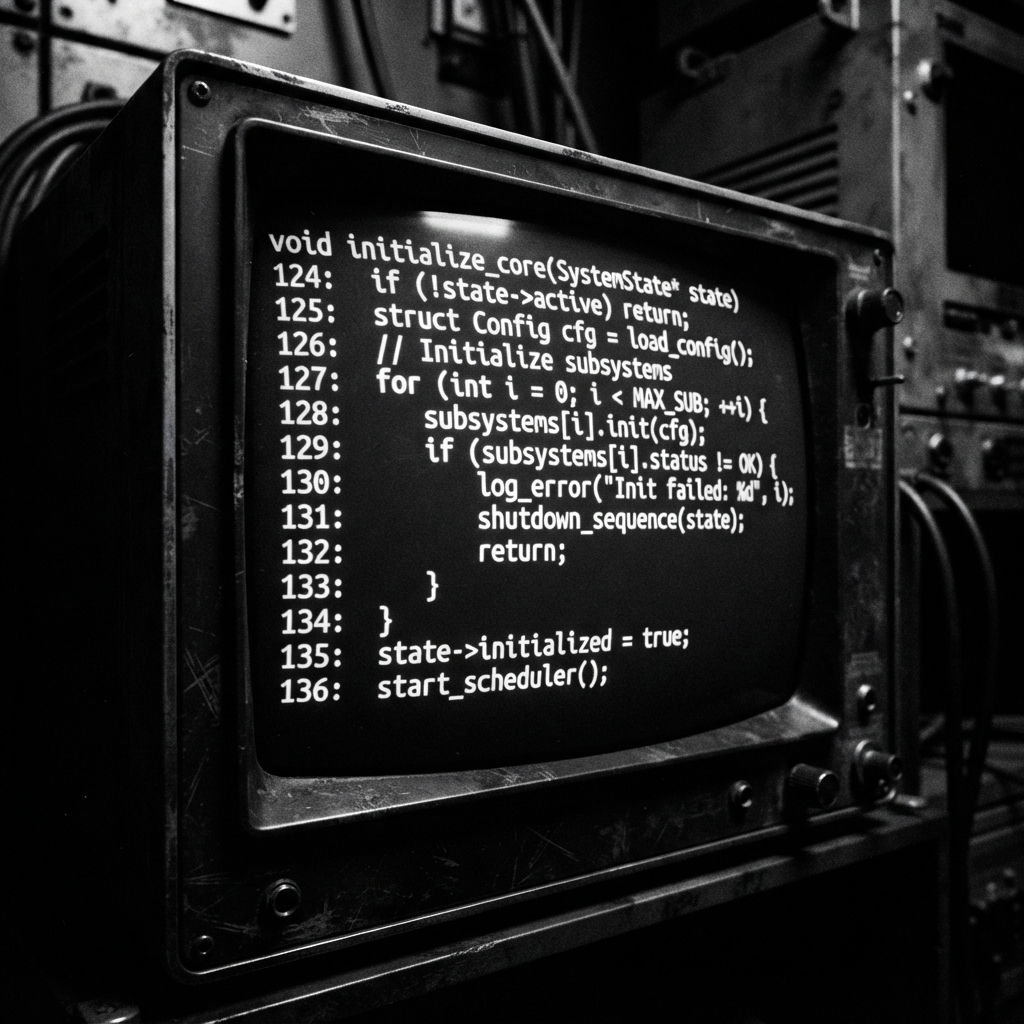
The software industry’s obsession with speed and scale is giving way to a renewed appreciation for craft. Developers are rediscovering that code, like any material, has qualities that reward careful attention and skilled handling.
This shift reflects growing awareness that technical debt—the accumulated cost of quick fixes and shortcuts—eventually slows even the fastest-moving organizations. Teams that invest in clean, well-structured code find they can move more quickly in the long run, not less.
The craft perspective emphasizes understanding over memorization, principles over patterns. It values the developer who can explain why a solution works, not just that it does. This depth of understanding enables adaptation when requirements change, as they inevitably do.
Code review, once seen as a bottleneck, is being reconceived as collaborative craft practice. The best reviews focus not just on correctness but on clarity, maintainability, and elegance. They treat code as communication—between developers, between systems, and between present and future selves.
Testing has undergone a similar transformation. Rather than viewing tests as mere verification, craft-minded developers see them as specification, documentation, and design tool. Well-crafted tests illuminate intent and constrain complexity.
The movement draws inspiration from other craft traditions—woodworking, ceramics, architecture—where mastery develops through sustained attention to material qualities. Programmers are learning to feel the grain of their code, to sense when something is forced versus when it flows naturally.
This doesn’t mean perfectionism or preciousness. Craft acknowledges constraints and works within them. It’s about making the best choices possible given current understanding, while remaining open to improvement.
The business case is compelling. Craftsmanship reduces bugs, eases maintenance, and accelerates onboarding. But its deeper value lies in professional satisfaction. Developers who take pride in their work produce better software and sustain longer careers.
In an age of AI-assisted coding, the human craft of software development becomes more, not less, important. Machines can generate code, but only humans can judge whether it’s good.